

You can use these integrations to check Sigrid findings as you work on your code, triage findings, and export findings to your issue tracker if you're not able to fix them right away.
Have you tried them? We'd love your feedback: Share it in our short survey.
Key changes in the 2026 SIG quality models
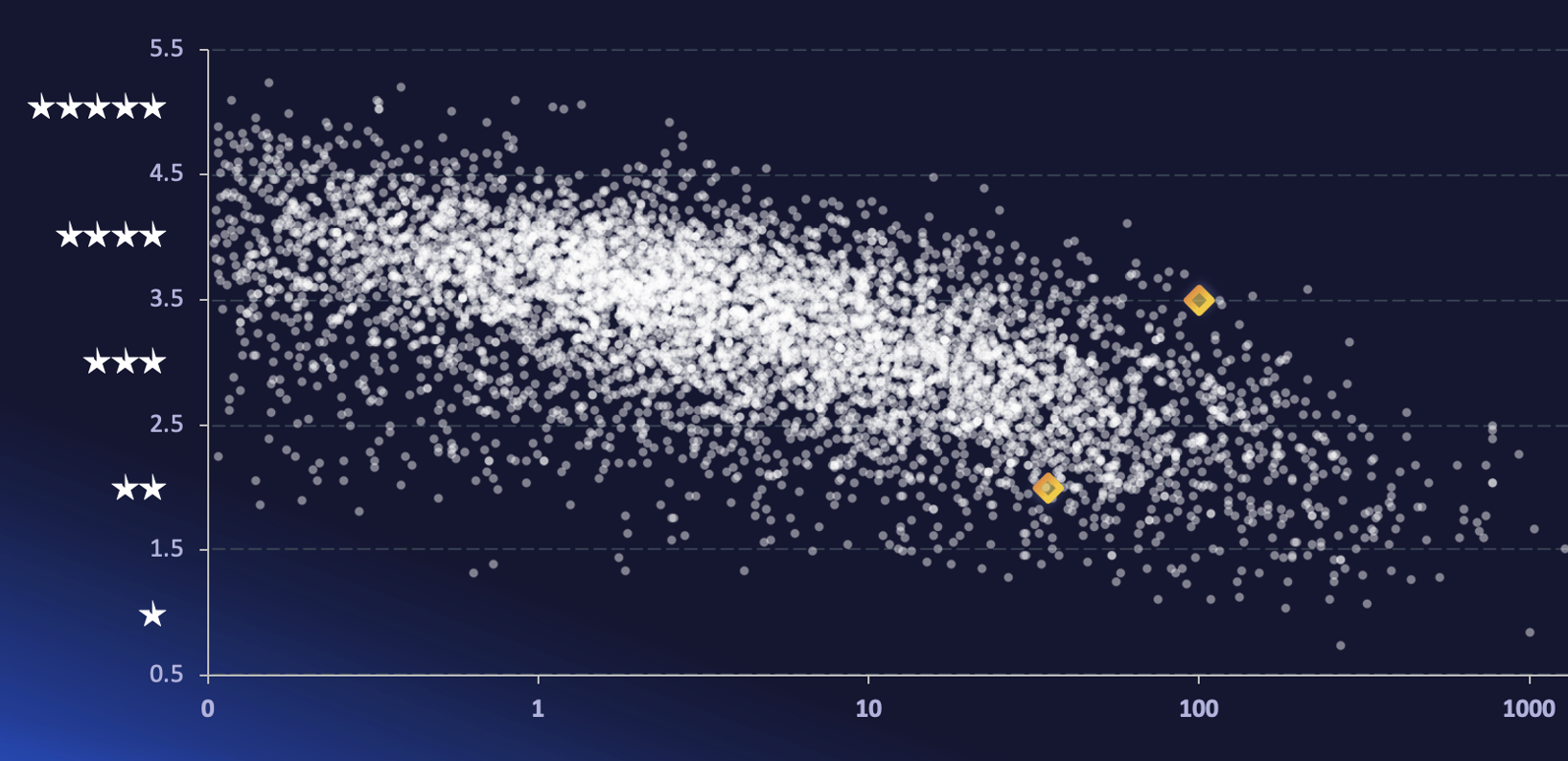
Every year, SIG updates its quality models to reflect industry trends. SIG’s quality models reflect current best practices, but best practices may change over time. Therefore, the quality models are updated every year, based on the 30,000 systems in the SIG benchmark.
Model changes consist of three categories:
- Recalibrate metrics: All metrics in the model are based on benchmark data. The systems in the SIG benchmark evolve over time, so the metrics are recalibrated yearly to reflect the current state.
- Add/change/remove metrics based on industry trends: What was important in the past might not be important in the future. We want to keep the number of metrics in each quality model manageable, it’s not a goal to have 100 different metrics and overload people with information. Therefore, we don’t just add new metrics, we also actively remove metrics if we believe they no longer reflect key issues.
- Improve metric actionability based on modern best practices: The goal of the quality models isn’t just to measure, it’s also to help people to improve their software. This makes it important to connect each metric to actionable insights.
This page contains an overview of key changes in the 2026 SIG quality models, which are used across Sigrid.
How to update to the 2026 model
The 2026 model was released on May 1, 2026. If you are using the default configuration, your portfolio was automatically migrated to the 2026 model on this date.
It is possible to explicitly manage the version of the model you are using, via the scope configuration file. If you are using this option, your systems will not automatically migrate to the 2026 model. In this situation, you will need to manually migrate the systems by changing the model version configuration option in the scope configuration file.
Changes in the 2026 SIG maintainability model
The Volume system property has been removed from the maintainability model. The volume system property has been part of the maintainability model since its introduction in 2008. The original reason for including it is that system volume is an indicator for project size, and project size is in turn an indicator for project risk.
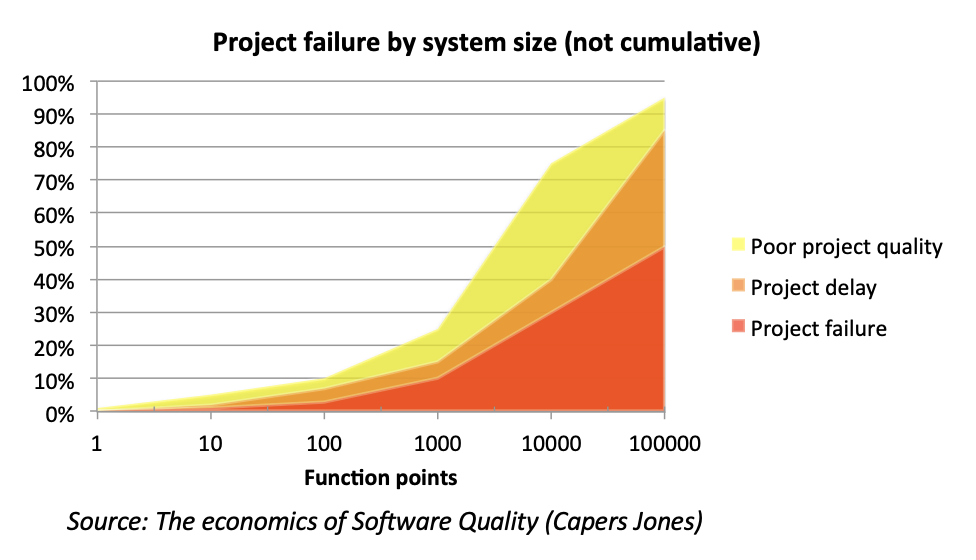
In fact, system volume continues to be a good indicator of project risk. So why remove it from the maintainability model? That relates to what we want to achieve with Sigrid. The maintainability model is used for assessment, but it’s no longer only used for assessment. It’s now also, and arguably more importantly, used for continuous software portfolio governance. The “continuous” part makes actionability a lot more important. Therefore, there are basically three reasons for removing the Volume system property:
- Volume is not actionable for development teams. Sure, system volume is an indicator for project risk, but it is rarely possible to make a system incrementally smaller without also affecting its functional scope. This leads to a situation where Sigrid indicates a volume risk, but there is essentially nothing within the control of the development teams that they can do to alleviate that risk.
- Volume is becoming less of an indicator of a team’s ability to write maintainable code. Technology trends like multi-repo systems, microservices, and AI-generated code are increasingly dominant factors in determining system granularity and system volume.
- Volume is strongly correlated with other metrics, meaning that the aspects previously captured by volume would still be reflected by other metrics.
This change is about Volume no longer counting towards the maintainability rating. This does not mean that volume information will be removed from Sigrid altogether. You will still be able to see portfolio and system volume (in person years) across Sigrid. It will just not affect the maintainability rating anymore.
Along with removing the Volume system property, we also changed how system properties are aggregated to the overall rating. We used a “normal” mean in previous versions of the model, but we are switching the power mean. What this means in practice: Previously, a single high rating for a single system property would have disproportionate impact on the overall rating. The following screenshot shows this in action:
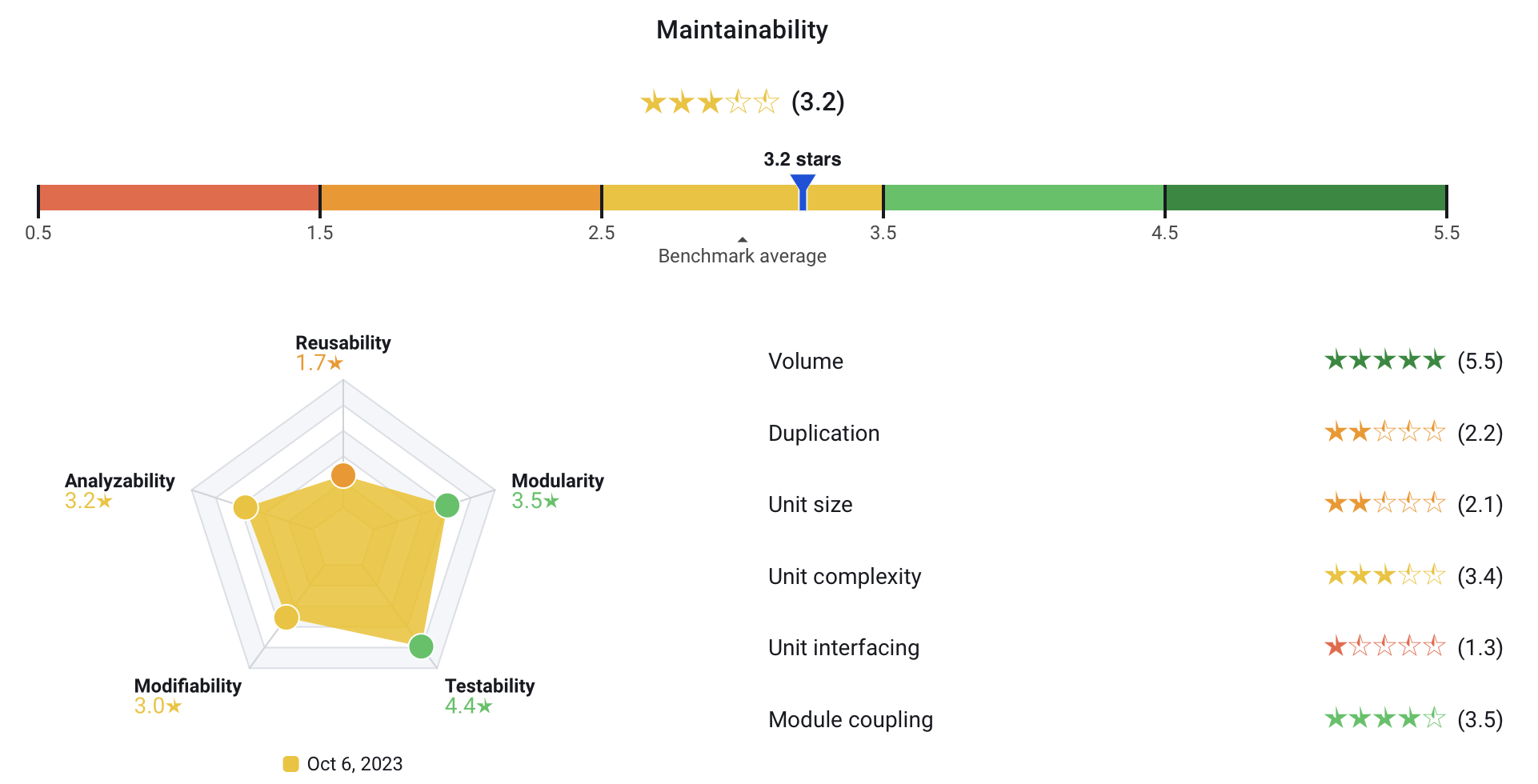
The overall rating of 3.2 stars seems extremely generous. Firstly, the system is small, so it’s automatically receiving a 5-star Volume rating. This will change with the removal of the Volume system property, which will make the maintainability model more strict for (very) small systems and more lenient for large systems.
However, even with the removal of Volume, you still get an effect where a single high rating (like Module Coupling in this example) pulls the overall rating towards 3 stars. Changing the aggregation will lead to overall ratings that are less affected by a single outlier, and more in line with the general pattern of all system properties.
Changes in the 2026 SIG architecture model
The Knowledge Distribution metric has been split into two metrics that both originate in SIG research, each of which describes a different “part” of knowledge distribution:
- Knowledge Awareness tells you who actively maintains a component and how concentrated that ownership is.
- Team Stability tells you whether those owners are consistently showing up over time.
Together, these metrics give you the full picture on knowledge distribution. Both metrics are explained in more detail below.
Knowledge Awareness
Knowledge Awareness measures how well knowledge about a component is distributed across the people who work on it. Every week, a developer who contributes to a component builds up a share of ownership over it. But ownership from two years ago is not the same as ownership from last month, so Knowledge Awareness applies decay to contribution history, giving more weight to recent work and less to older activity. The result is a picture of who genuinely understands each component today, and how concentrated or shared that understanding is.
The rating is based on the (in)equality of contributions across developers. A high rating means knowledge is healthy and spread across a core team. A low rating means it has concentrated into too few people, or even a single developer, creating a risk that is easy to overlook until it is too late. As a rule of thumb: one developer holding close to 100% of a component’s ownership is a single point of failure. Roughly equal shares across several developers is the ideal.
When a component rates poorly, the right response is to actively spread context through pair programming, shared code reviews, and documentation. The goal is not just to have more contributors, but to have contributors who genuinely understand the component and keep that understanding current.
Team Stability
If knowledge and contributions are unstable, we assume that the people who truly own a component are drifting away from it, and that the architectural knowledge needed to safely change, extend, or hand it over is quietly at risk of being lost.
This matters because software systems are sustained not only by their code, but by the continuity of the people who build and maintain them. When key contributors become unreliable or disappear, teams lose the context that can’t be recovered from reading the code alone: the why behind decisions, the what that breaks when you touch something, the how that only comes from having worked on it for a long time. That loss can show up as slow delivery, unexpected defects, and maintenance that takes longer than it should.
Team Stability measures how consistently the core developers who own a component remain active contributors over time. It complements Knowledge Awareness, which tells you who owns a component today, Team Stability tells you whether those contributors are showing up reliably and predictably.
Team Stability is calculated by taking each developer’s weekly contribution share for a component over the past year, then determining how volatile that pattern is. Those volatility numbers are weighted by each developer’s ownership share, so instability from a core contributor has more impact than instability from a peripheral one.
A high score means core contributors are showing up consistently and knowledge is active and the component is maintainable. A low score means contributions are fragmented or unpredictable, increasing the risk of knowledge loss, slower delivery, and harder maintenance when the component needs to change.
When you identify components with low Team Stability, based on the context, effective responses are to assign a clear backup owner and/or require reviews from other contributors to spread context.
Changes in the 2026 SIG Open Source Health model
The Open Source Health model recalibration for 2026 returns a benchmark set which yields stricter thresholds, especially with respect to the license property. Practitioners should expect a slight rating deterioration when the new 2026 model is released. This is caused by the market starting to adopt more active third-party management, especially when it relates to more acute concerns like open source vulnerabilities and license risks.
For other properties beyond license risk, the recalibration yields stricter thresholds, but results for individual metrics do not distance themselves excessively when compared with the 2025 release.
Contact and support
Feel free to contact SIG’s support team for any questions or issues you may have after reading this documentation or when using Sigrid.